Neck Liposuction
Atlanta


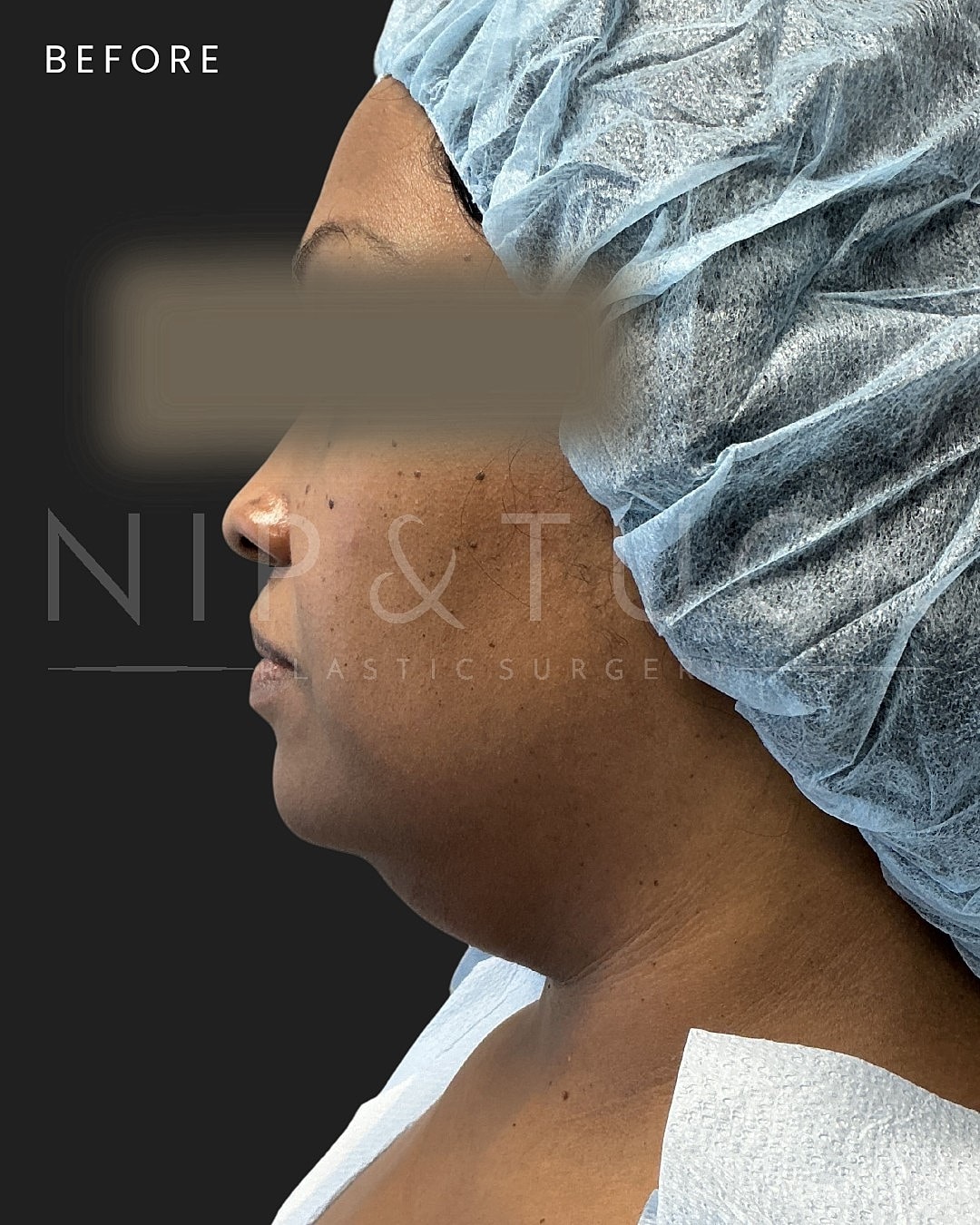
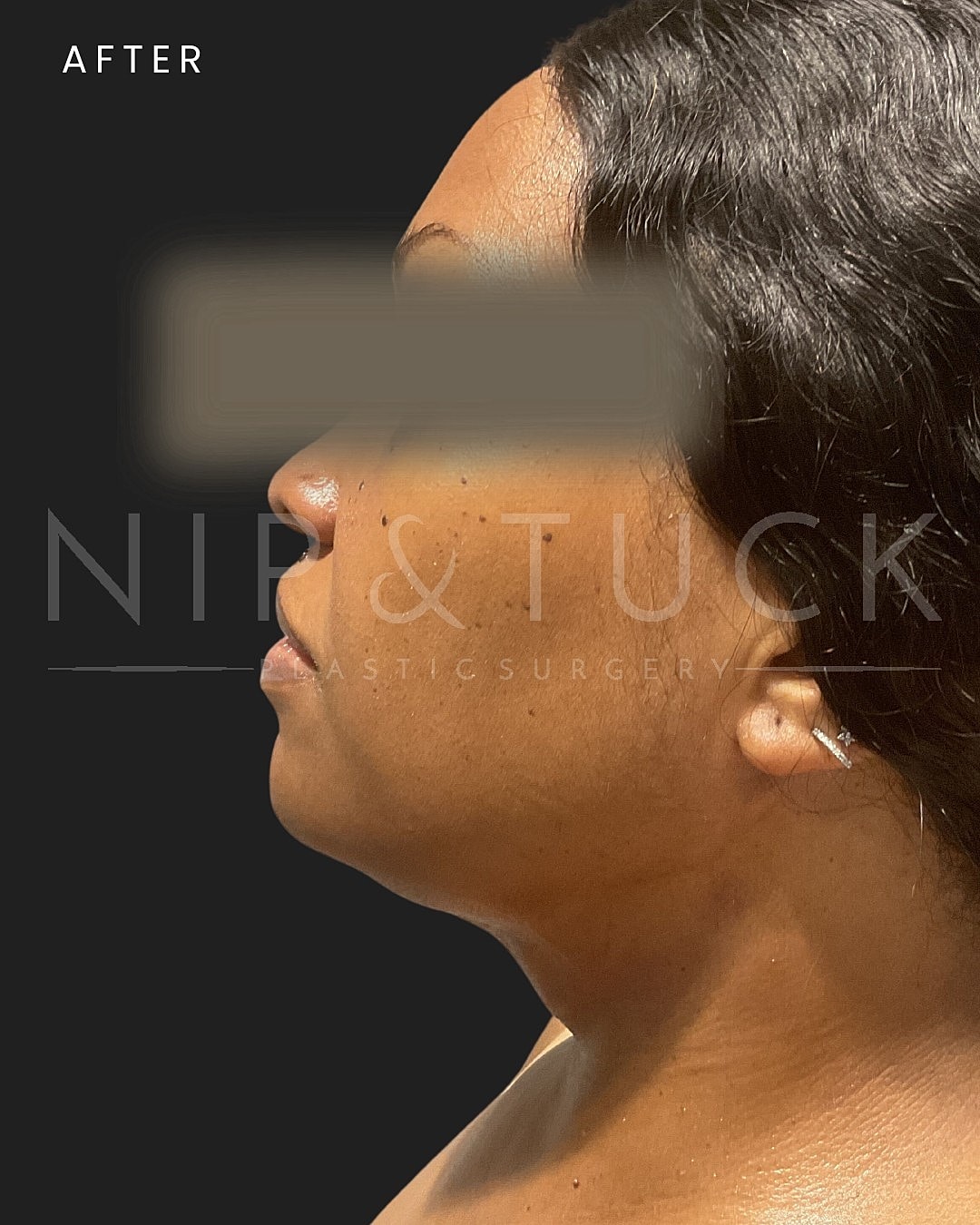
Even a small amount of fullness under the chin can change your profile more than you might think.
It can soften the jawline, shorten the look of the neck, and create a double chin, even when your weight is stable. Neck liposuction can help when extra fat is the main problem, but Dr. Nicholas Jones looks at more than just fat. At Nip & Tuck Plastic Surgery in Atlanta, he also checks the skin, neck muscles, chin, and jawline to decide what will give you the most natural-looking result.
1 of 1
Neck liposuction, sometimes called chin or submental liposuction, removes fat from under the chin and upper neck. Through a few small incisions, typically hidden beneath the chin and behind the earlobes, Dr. Jones uses a narrow cannula to remove fat and sharpen the transition from jaw to neck.
This procedure shapes the neck but is not meant for weight loss. Even a small amount of fat can hide a well-defined jawline, so removing it can make a real difference. However, removing too much fat can make the area look hollow or uneven. The technique must be careful and tailored to each person.
If you’re considering liposuction in other areas as well, visit our Liposuction page to learn more.


Many people call any fullness under the chin a “double chin,” but it can come from different causes. Finding out the real reason is a key part of your consultation.
For some people, the main issue is extra fat under the chin. Genetics often play a big part. You might be near your ideal weight and exercise often, but still have more fat in your neck than you want. When the skin has good elasticity, removing that fat can uncover more of the natural angle between the jaw and neck.
Loose skin makes things different. Liposuction takes away fat, but not extra skin. If your skin has lost a lot of its stretch, removing fat underneath can sometimes make the area look even looser. This doesn’t mean liposuction is never an option. Skin quality is different for everyone, so Dr. Jones checks it himself instead of judging only by age.
The platysma is a thin muscle in the neck. As you get older, vertical bands or loose areas can show up more clearly. Neck liposuction doesn’t tighten neck muscles. If loose muscles are a big concern, a neck lift might be a better choice.
For some patients, fat isn't the main issue at all. A small or set-back chin can make the neck look fuller because there is less separation between the chin and neck. In these situations, Dr. Jones may suggest chin augmentation or a chin implant instead of just removing fat.
Neck liposuction is best for removing fat that hides the natural shape of your neck and chin. It can help with a double chin, reduce fullness under the jaw, and make the jawline more defined when fat is the main issue.
The results can be subtle or more obvious, depending on your features. The goal is to highlight your natural shape, not to create a jawline that does not match your face.

It’s important to be clear about this from the start. Neck liposuction does not remove loose skin, tighten neck muscles, fix visible platysmal bands, or lift jowls. It also doesn’t change the shape of the chin or jaw.
If you have a lot of sagging skin, sometimes called a turkey neck, a neck lift may be a better option. Removing fat without treating the skin or muscle can sometimes make these issues more noticeable.
People often compare these procedures because both change the neck, but each is meant for different concerns.
Neck liposuction focuses on removing extra fat. A neck lift is used when loose skin, muscle changes, or deeper laxity are the main issues. Neck lift surgery can also remove fat, but it is a bigger procedure because it treats more than just fat.
Younger people often have good skin elasticity, but not always. Older people can also have strong skin and do well with a smaller procedure. Age is just one factor; the condition of your skin matters most.
If you aren’t sure which option is right for you, that’s what the consultation is for. Dr. Jones can show you what is causing the fullness and explain whether liposuction, a neck lift, or another treatment fits your needs.

For the right patient, neck liposuction can:
Scars are usually small because the incisions are tiny, but every surgery leaves some scarring.
The best candidates have fat in the neck area, good skin elasticity, stable weight, and realistic expectations about what the procedure can do. Your overall health is also important.
Dr. Jones will check your medical history, medications, nicotine use, past facial procedures, and any health issues that could affect surgery or healing. He'll also assess your skin's elasticity, meaning how well it's likely to tighten and redrape once the fat underneath is gone.
When Neck Liposuction May Not Be Enough
If loose skin, neck bands, jowls, or deeper laxity are the main issues, liposuction alone may not give you the results you want. Some people need a neck lift. Others may benefit from combining facial procedures. Some only need a small amount of fat removed. The consultation helps figure this out before surgery, so you get the right procedure for your needs.
Dr. Jones checks where the fat is, how thick and stretchy the skin is, chin projection (how far your chin sits forward), muscle position, any unevenness, and any past facial plastic surgery. He also thinks about how much change you want. Some people want just a small improvement under the chin, while others want more definition in the whole neck and chin area. These goals may need different surgical methods.
Removing as much fat as possible doesn’t always give the best result. Over-aggressive fat removal can expose the muscle bands and glands beneath the skin, leaving a hollow, overdone look that tends to worsen with age.
These problems can become more noticeable as you age. A careful approach leaves enough soft tissue to keep the neck smooth and improve its shape. In an area this small and this visible, restraint is what separates a natural result from an obvious one.

Before surgery, Dr. Jones marks the areas of fullness and the contour he plans to create, with you sitting upright so he sees your neck the way everyone else does. The type of anesthesia depends on your surgical plan. Some small liposuction procedures use local anesthesia, while more extensive treatments or combined procedures may need general anesthesia.
Dr. Jones makes small incisions and uses a thin tube to reach the fat layer. He infuses a tumescent solution, a mix of saline, local anesthetic, and epinephrine, to reduce bleeding, bruising, and discomfort. He removes the fat slowly, making sure both sides of the neck and the area under the chin look balanced.
Neck liposuction is usually done as an outpatient procedure. You may need to wear a compression garment afterward to support the area and reduce swelling. Your aftercare instructions will match the procedure you had.
Recovery from neck liposuction is usually easier than from a neck lift, but you can still expect swelling, bruising, soreness, tightness, and sometimes temporary numbness.
Keeping your head up can help reduce swelling. Light walking is usually good, but you should wait before doing hard exercise. If Dr. Jones suggests a compression garment, he will tell you how and when to use it.
Many people feel ready for normal activities before their neck looks fully healed. Swelling and bruising can still show even if you feel fine. If you have an important event, trip, or social plan coming up, let Dr. Jones know during your consultation. He can give you a better idea of recovery time based on your treatment.
You can return to exercise slowly. Feeling good isn't the same as being healed. Ease back into strenuous exercise on the timeline Dr. Jones gives you.
Swelling goes down gradually, not all at once. You’ll start to see the shape of your neck in the first few weeks, with more improvement over time. If you’re worried about recovery, ask your questions during the consultation. Knowing what to expect can help you plan better.
You might notice some change right after the fat is removed, but swelling can hide most of the definition at first. As swelling goes down, your neck and jawline will become more visible. The skin also needs time to adjust. Most people see ongoing improvement over the next weeks and months, rather than seeing the final result right away.

The fat cells taken out during liposuction are gone for good.
However, the fat cells that remain can get bigger if you gain a lot of weight, so keeping your weight steady helps keep your results. Your neck will keep aging over time. Skin and muscles change as you get older, even after a successful procedure. Neck liposuction can give long-lasting results, but it does not stop these normal changes.
Yes. Sometimes, fat is just one part of the problem.
A neck lift may be suggested if you also need to remove extra skin or tighten neck muscles.
A facelift may be a good option if you have jowls or aging in the lower face along with changes in the neck.
Chin augmentation can help balance your profile if a small chin makes your neck and chin look less defined.
Renuvion may be an option for certain skin looseness issues, depending on how loose the skin is and your treatment plan.
Nicholas Jones, MD, FACS, is double board-certified by the American Board of Plastic Surgery and the American Board of Surgery. His background includes aesthetic and reconstructive plastic surgery, body contouring, and revision surgery.
This experience is important for neck liposuction because good judgment is just as important as removing fat. Dr. Jones decides what to treat, what to leave alone, and if another procedure might give you a better result. He begins by looking at your anatomy and builds the plan from there.


If you are bothered by fullness under your chin, you don’t have to know which procedure you need before your visit. Dr. Jones will check the fat, skin, neck muscles, chin, and jawline and explain what is causing the shape you see.
Your consultation is the time to talk about expected results, recovery, risks, other options, and the cost of neck liposuction based on your plan. If you’re in Atlanta or the metro area, schedule a consultation with Dr. Nicholas Jones to see which option fits your goals and anatomy.
Usually, yes. Neck liposuction, chin liposuction, and submental liposuction are commonly used to describe fat removal beneath the chin and across the upper neck. The exact treatment area depends on where your excess fat is located.
It can make the jawline more defined when fat is covering the natural contour. Your bone structure, chin projection, skin quality, and neck muscles still affect the final shape.
It depends on your skin elasticity and how much fat is removed. Patients with good skin elasticity are more likely to see the skin redrape smoothly. Significant excess skin may require a neck lift instead.
The removed fat cells do not return. Remaining fat cells can still enlarge with weight gain, which is why stable weight helps maintain the result.
Neck liposuction uses small incisions, so scarring is usually limited. How visible those scars become depends partly on the surgical technique and how your skin heals.
Neck liposuction cost varies according to the extent of treatment, anesthesia, surgical setting, and whether other procedures are performed at the same time. After examining your neck, Dr. Jones can recommend a plan and provide pricing based on that plan.
Risks can include bleeding, infection, temporary numbness or other sensation changes, contour irregularities, asymmetry, scarring, and anesthesia-related complications. Dr. Jones will review the risks that apply to your health and treatment plan before surgery.